
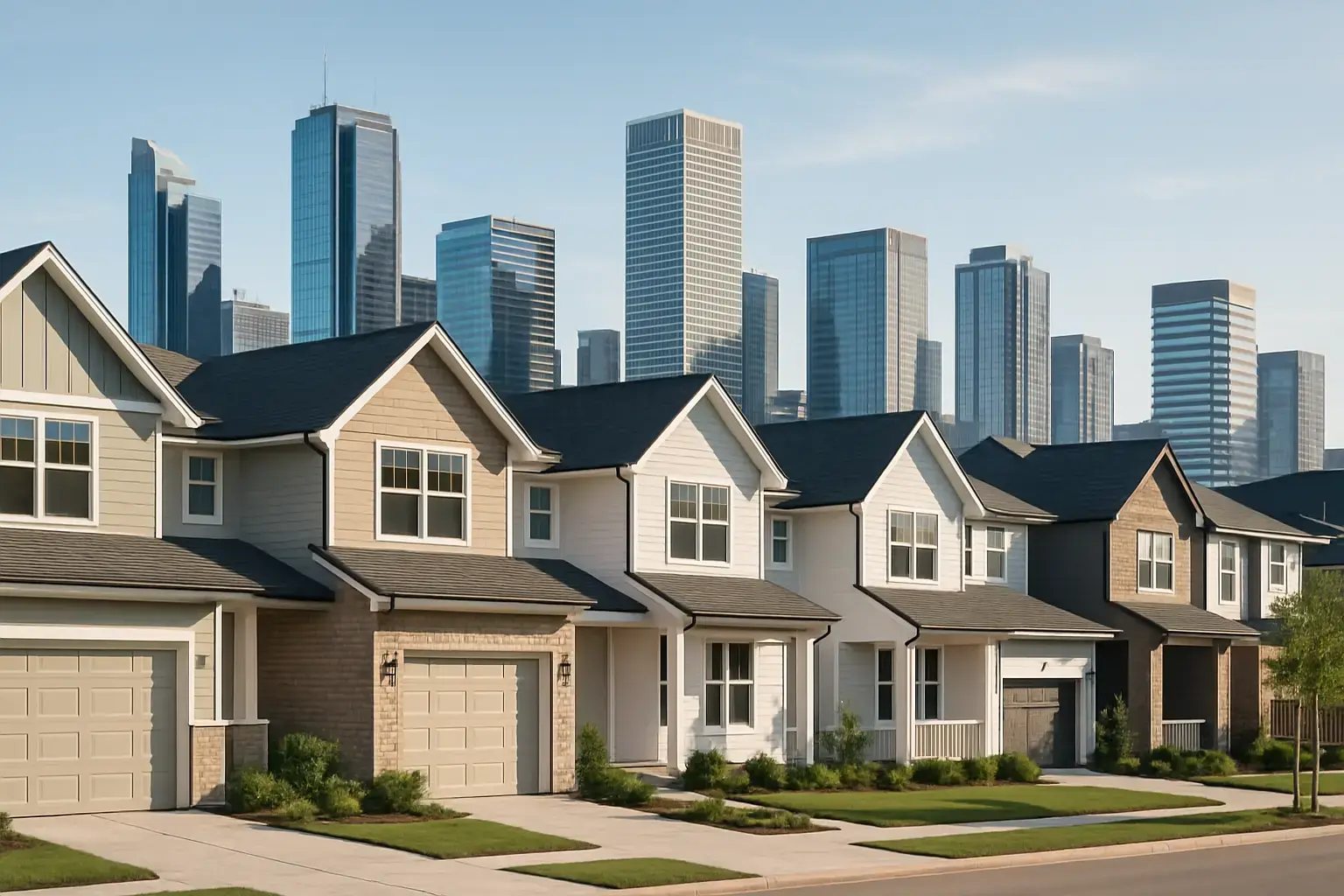
Overview: Newly built home prices at a five-year low
Recent market reports show that newly built home prices have declined to the lowest level in five years. For home buyers and sellers, that shift changes negotiation dynamics, inventory strategies, and timing decisions. This article explains the underlying causes, how the trend can play out in your local market, and practical next steps for both buyers and sellers.
What’s driving the drop in newly built home prices?
Several factors are contributing to lower prices for newly constructed homes:
- Builder incentives and price adjustments: To move inventory and compete with existing homes, many builders have shifted from raising list prices to offering price cuts, incentives, and upgraded packages.
- Supply and demand shifts: New home supply has been catching up with demand in many regions, easing upward pressure on prices.
- Mortgage rate sensitivity: Higher mortgage rates reduced buyer purchasing power, prompting builders to adjust pricing to attract buyers.
- Stabilizing construction costs: After spikes in materials and labor, some cost pressures have moderated—giving builders more flexibility on pricing strategy.
How this varies by local market
The national headline—newly built home prices at a five-year low—doesn’t mean every market looks the same. Local factors matter:
- High-demand metros: In markets with strong job growth and limited land, builders may still hold prices steadier despite national trends.
- Suburban and exurban areas: Communities with abundant new subdivisions can see larger price declines or more aggressive incentives.
- Regional construction costs: Labor availability and permitting timelines can keep prices higher in some areas despite national declines.
Action for readers: contact a local real estate agent or builder representative to understand how newly built home prices are moving in your neighborhood specifically. Local MLS data, recent sales of new construction, and builder incentives are the best indicators for your area.
What this means for home buyers
Falling newly built home prices often create opportunities for buyers, but it’s important to be strategic:
- Greater negotiating power: Builders may offer price concessions, closing cost credits, or upgraded finishes to close deals. Ask for a complete list of available incentives.
- Consider timing: If you aren’t in a rush, you may be able to wait for additional incentives as builders work through inventory. However, weight that against potential mortgage rate movement.
- Compare new vs. existing homes: Lower new-home prices narrow the gap with resale homes. Compare total costs—including HOA fees, property taxes, and long-term maintenance.
- Inspect warranties and quality: Don’t assume lower price means equal value. Review builder warranties, construction timelines, and independent inspection reports.
What this means for sellers of existing homes
Sellers should understand the competitive pressure from cheaper new construction, especially in neighborhoods where new builds are nearby:
- Price competitively: Use local comparables and account for new-construction incentives when setting price.
- Highlight advantages: Emphasize what resale homes offer that new builds may not—established landscaping, mature neighborhoods, finished basements, or lower HOA costs.
- Invest strategically: Consider targeted updates that deliver strong return on investment—kitchen refreshes, curb appeal, and minor repairs often help.
- Work with an agent: Your agent can market your home against new construction and suggest positioning to reach motivated buyers.
How builders are likely to respond
Builders increasingly use a mix of tactics to keep sales moving when prices soften:
- Short-term promotions and closing cost contributions
- Upgraded finishes included in the base price
- Flexible financing partnerships with local lenders
- Phased releases and adjusted lot premiums
Buyers should get written details on any incentives, and sellers should monitor builder promotions that could affect buyer expectations locally.
Market outlook and practical next steps
While newly built home prices are at a five-year low nationally, the near-term outlook depends on mortgage rates, local job markets, and builder inventory. Practical next steps:
- Buyers: get preapproved, compare new-build and resale options, and request a detailed breakdown of builder incentives.
- Sellers: update comparative market analysis with new-construction comps and consult your agent about pricing and marketing adjustments.
- Both: monitor local MLS listings weekly and speak with local builders to understand current offerings.
FAQ
Q: Does a drop in newly built home prices mean all homes will fall in value?
A: Not necessarily. Resale home prices follow local supply and demand dynamics. In many markets, resale values remain supported by limited existing inventory even as new-build pricing softens.
Q: Should I wait to buy until prices fall further?
A: It depends on your timeline and finances. If you expect rates to fall and inventory to grow, waiting might help. If you need a home now or can lock a low rate, immediate purchase could be wise. Talk to a lender and local agent for a personalized assessment.
Q: How can I find local data on new-home pricing?
A: Review recent sales in the MLS tagged as new construction, contact local builders for incentive sheets, and ask your agent for a neighborhood analysis comparing new builds and resales.
Q: Are builder incentives reliable?
A: Yes, but always get incentives in writing and verify they apply to the specific lot, model, and contract you plan to sign. Ask about expiration dates and any conditions.
If you want specific guidance for your city or neighborhood, consult a local real estate professional who can pull current comps and builder offers.

Want local insight?
Get a Free Local Market Analysis for New Construction and Resale Homes
Curious how the five-year low in newly built home prices affects your buying or selling strategy? Contact our team for a complimentary, no-obligation analysis of new-construction listings, resale comps, and current builder incentives in your neighborhood. We’ll outline practical next steps tailored to your timeline and financial goals.

