
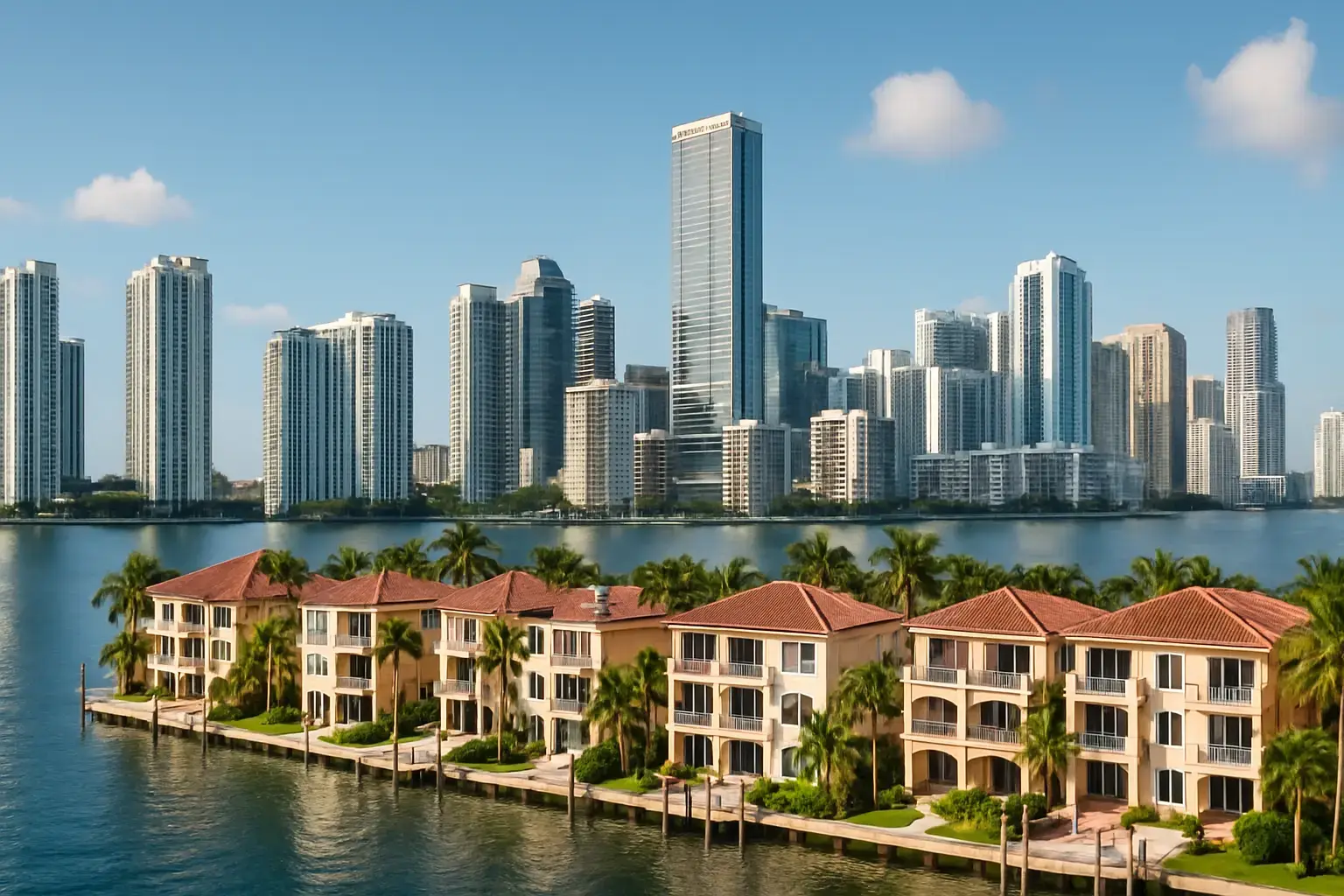
Quick overview: Where the Florida housing market stands in 2026
As we move through 2026, the Florida housing market is evolving from the pandemic-era surge toward a more balanced, locally driven market. Some metro areas continue to see strong demand and price resilience, while others are cooling as inventory slowly rises and buyers become more selective.
What’s driving Florida housing market trends in 2026
Several forces are shaping the market. Understanding them will help both buyers and sellers make informed decisions.
1. Supply and inventory changes
Inventory in many Florida markets has increased compared with the tight conditions of recent years. New construction and longer listing times are contributing to a wider choice for buyers, though desirable neighborhoods and well-priced homes still move quickly.
2. Mortgage rates and affordability
Mortgage rates remain a key factor. Even moderate fluctuations affect affordability and buyer buying power. Buyers are more often focusing on what they can afford long-term — considering rate locks, adjustable-rate vs. fixed-rate options, and payment scenarios.
3. Continued migration and job growth
Florida’s population growth from inbound residents — retirees, remote workers, and people relocating for jobs — still supports steady housing demand in many regions. However, migration patterns are diversifying: inland and suburban areas are gaining traction as buyers seek value and space.
4. Climate considerations and insurance
Climate risk is increasingly part of homebuying decisions. Flood zones, storm-surge exposure, and rising insurance costs are important for buyers and sellers to factor into pricing, disclosures, and long-term planning.
How different Florida markets are trending
Florida is large and diverse. Trends vary by metro and neighborhood.
- Miami: Luxury and condo segments show selective demand. International buyers returning can support high-end sales, but insurance and condo governance issues remain watchpoints.
- Tampa Bay and St. Pete: Strong employment growth and lifestyle appeal keep demand solid, though suburban inventory is increasing.
- Orlando: Family-friendly neighborhoods and continued tourism-related job growth are stabilizing the market with steady buyer interest.
- Jacksonville and the First Coast: More affordable relative to South Florida, many buyers are discovering value here — interest from relocation buyers supports steady activity.
Practical tips for buyers
- Define your must-haves: Prioritize location, schools, commute, and flood risk. Having clear priorities helps in a market with mixed inventory.
- Get mortgage pre-approval: A strong pre-approval strengthens offers and helps you move quickly when you find the right home.
- Factor in insurance and maintenance: Ask for recent utility, maintenance, and insurance costs. In some coastal areas, expected insurance changes can affect long-term affordability.
- Consider timing and negotiation: With more listings, buyers can find room to negotiate on price, repairs, or closing timelines — especially on homes that have been on the market longer.
Practical tips for sellers
- Price with market context: Homes priced competitively and presented well still attract multiple showings. Avoid overpricing in a market that’s more price-sensitive than a few years ago.
- Invest in curb appeal and minor updates: Small improvements like fresh paint, landscaping, and decluttering can deliver a strong return.
- Be transparent about climate and insurance history: Buyers and lenders will ask about flood zones, past claims, and mitigation measures — provide documentation early to avoid surprises.
- Work with a local agent: Neighborhood-level pricing and marketing strategy make a big difference in sale velocity and net proceeds.
Financing, insurance, and inspections — what to watch
Buyers should get a clear picture of financing costs and insurance availability before committing. Inspectors and appraisers are focusing more on issues like drainage, roof condition, and HVAC lifespan in Florida’s climate. Sellers who address these items before listing can reduce renegotiation risk.
Checklist: Steps to prepare for 2026 Florida transactions
- Order a comparative market analysis (CMA) or appraisal for accurate pricing
- Review flood maps and insurance history for the property
- Get mortgage pre-approval and compare lenders for the best rate and terms
- Plan for inspection items — roof, plumbing, HVAC and any mitigations for flood risk
- Work with an agent who knows your neighborhood’s micro-trends
Frequently asked questions (FAQ)
Is now a good time to buy in Florida in 2026?
It depends on your situation. If you plan to stay 5+ years, buying in many Florida markets can still make sense — especially if you find a well-priced property and secure favorable financing. Assess your long-term plans, local job market, and insurance costs before deciding.
Should I wait to sell if prices are cooling?
Not necessarily. In a more balanced market, sellers who prepare their home, price it correctly, and market it well can still achieve strong outcomes. Consider local supply, recent comparable sales, and whether your move is time-sensitive.
How much does climate risk affect property values?
Climate risk is an increasing factor. Properties in high-risk flood zones or areas with frequent storm impacts can face higher insurance premiums and may be less attractive to some buyers. Mitigation measures and documented improvements can help maintain value.
Are condos a good buy in 2026?
Condos in desirable locations can still be good investments, but buyers should pay attention to building finances, insurance coverage, and any special assessments. Condo governance and reserve funds have become critical due diligence items.
How can I find the best local market data?
Work with a local real estate agent who provides neighborhood-level sales data, days-on-market trends, and insight into upcoming developments. Local assessor and county flood zone maps are also helpful.
Bottom line
The Florida housing market in 2026 is moving toward balance: more inventory, selective buyer demand, and important local differences. Whether you’re buying or selling, focus on neighborhood-level data, prepare for climate and insurance questions, and work with an experienced local agent to navigate the details.

Ready to make your move in Florida?
Get a free, personalized Florida market analysis
Curious how your neighborhood is performing in 2026? Request a complimentary market analysis and tailored advice for buyers or sellers. Our local experts will review recent sales, insurance and flood-zone considerations, and outline options to maximize value or find the right home. Click to schedule a quick consultation.

